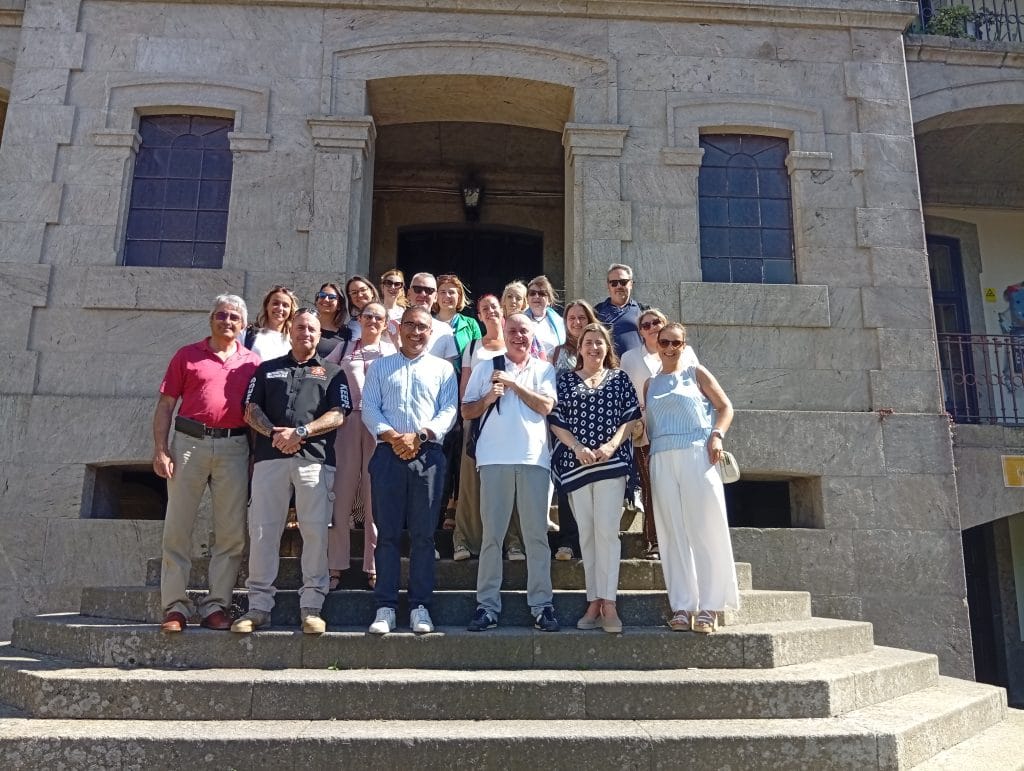
The second Study Visit to Portugal, organised from 30 June to 2 July 2026 within the European project YW4offenders – From the margins: Introducing youth work to treatment of youth offenders.
Hosted by the Portuguese Prison Education Association (APEnP), the visit brought together representatives of the project partners and Portuguese experts and practitioners to explore the country’s juvenile justice framework and examine how educational, institutional and community-based approaches can support young people’s development and reintegration.
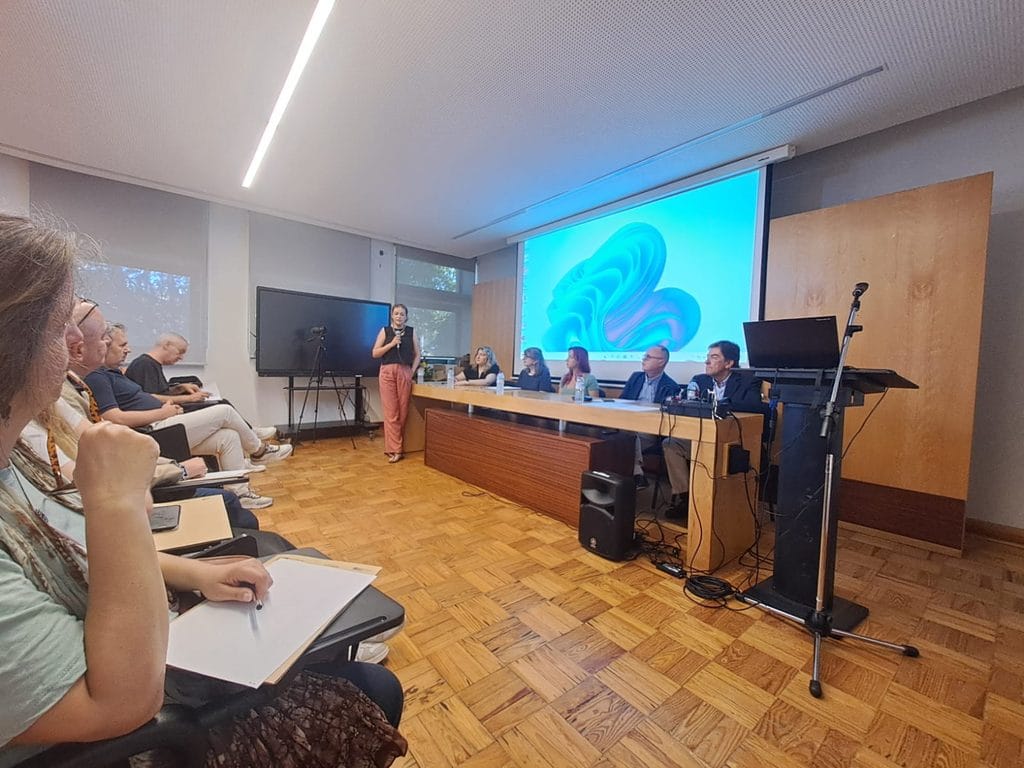
The programme combined an international seminar, field visits and structured discussions among project partners. The seminar, held at João Gonçalves Zarco Secondary School in Matosinhos, introduced participants to the Portuguese juvenile justice system, highlighting its educational and developmental orientation, the importance of individualised interventions and the role of community-based responses.
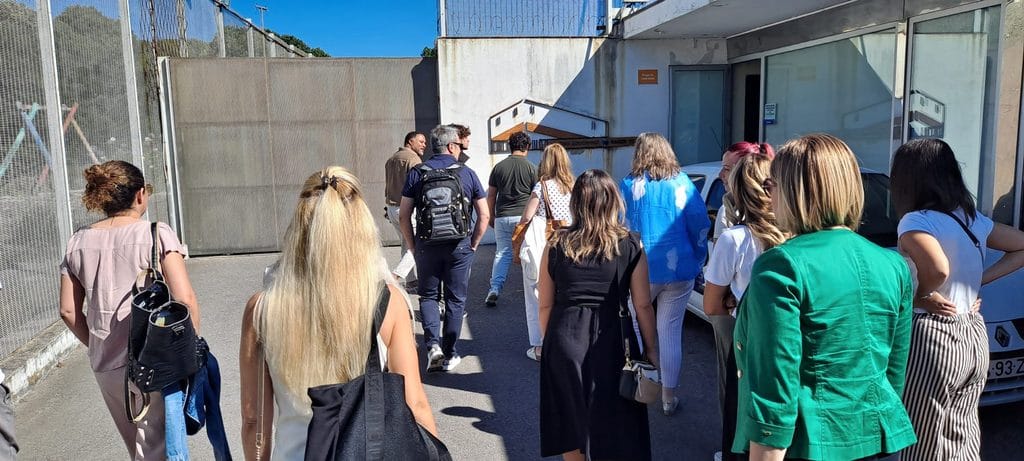
On the second day, participants visited Santa Clara Educational Centre in Vila do Conde and Campanhã Youth Centre in Porto. These visits offered insights into two distinct intervention settings and the ways in which education, vocational training, personal development and relationships with professionals and the wider community can contribute to supporting young people.
Discussions throughout the visit also highlighted the importance of preparing for reintegration well before the end of an institutional placement or educational measure. Maintaining links with families, schools, vocational training providers and community organisations is essential to creating more coordinated and sustainable pathways towards autonomy and social inclusion.
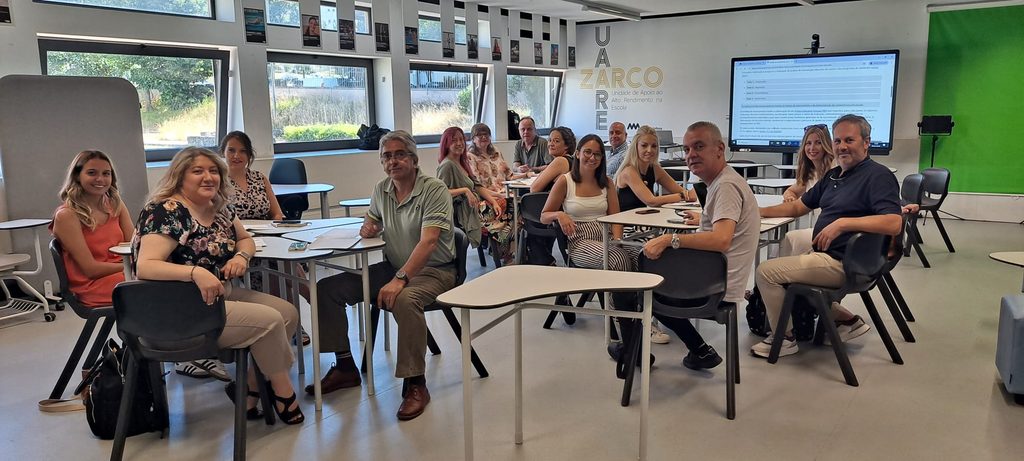
The final day focused on peer learning and reflection, allowing partners to connect their observations with the broader objectives of the project. Participants explored how youth work methods—including non-formal learning, mentoring, participation, emotional and social skills development, and civic engagement—can complement existing educational and reintegration practices.
The visit also identified areas requiring further exploration, particularly young people’s participation in decisions affecting their future, the coordination of support during the transition back into the community, and the continuity of assistance after a formal measure or programme ends.
The knowledge and insights gathered will contribute to the YW4offenders project publication and toolkit, supporting the development of approaches that connect accountability with personal development, education with participation, and institutional interventions with lasting community connections.