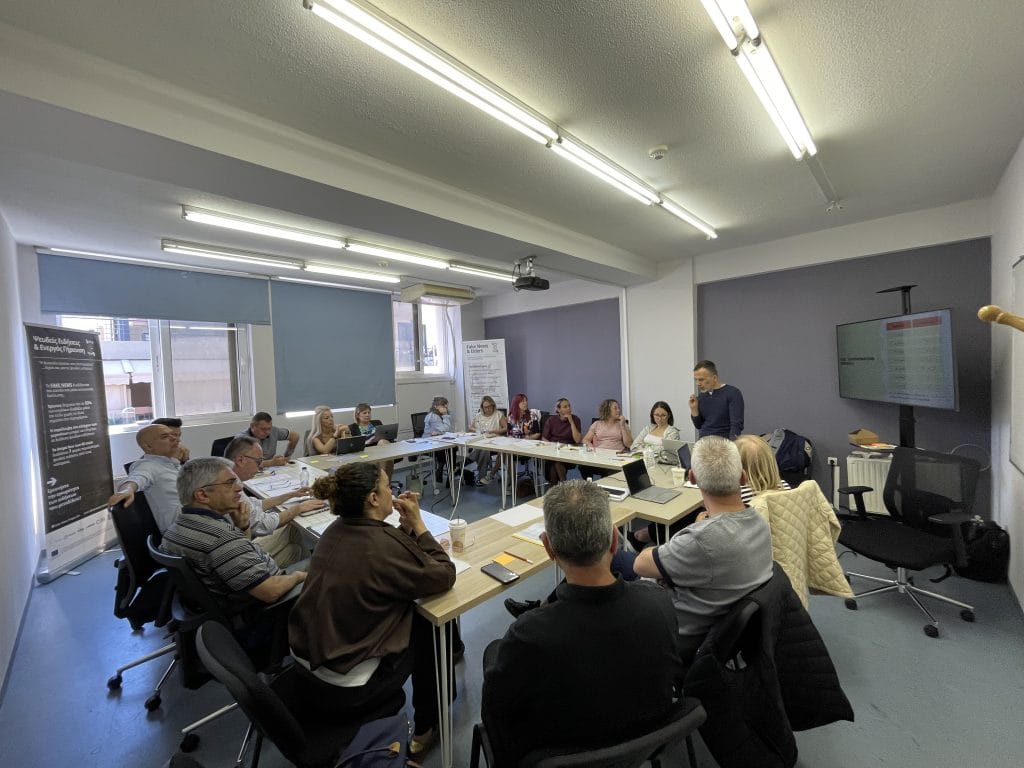
How can youth work contribute to supporting and reintegrating young people in conflict with the law? This was the central question of the three-day Study Visit organised by Social Empowerment Hub in Athens, from 4 to 6 May 2026, as part of the European project YW4offenders – From the margins: Introducing youth work to treatment of youth offenders.
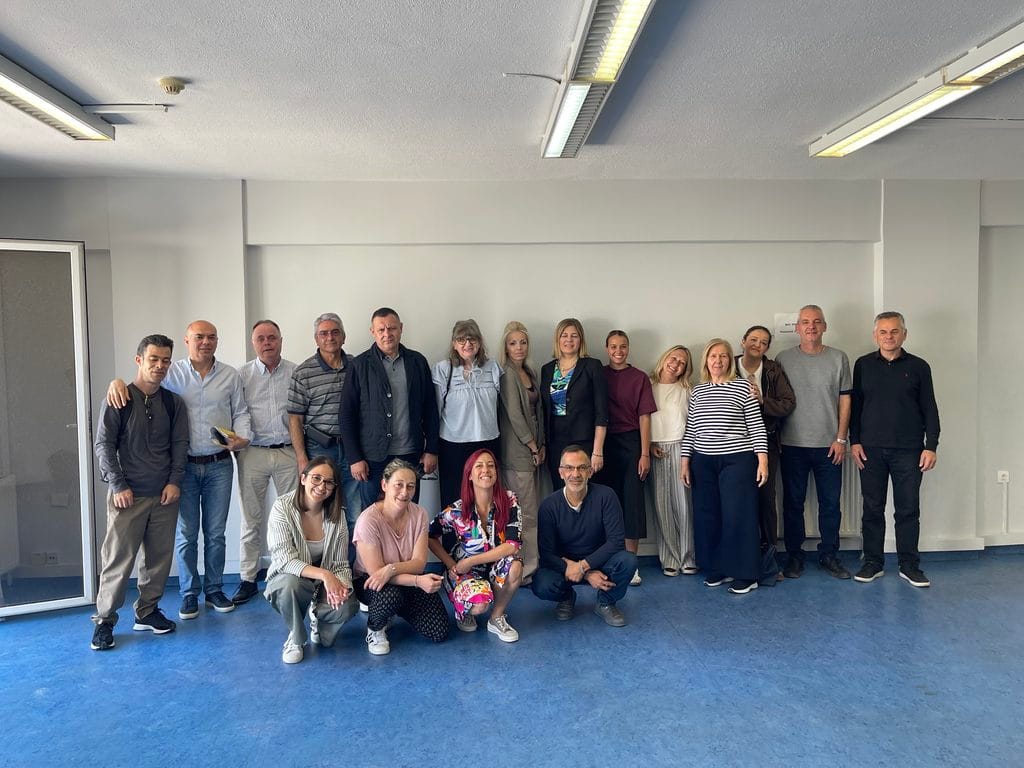
The visit brought together representatives of the project partnership and professionals working in juvenile justice, correctional education and social support. Its aim was to develop a better understanding of the Greek context and explore ways to integrate youth work methodologies into correctional and community-based settings.
Over the three days, participants exchanged knowledge and experience on the Greek juvenile justice system, existing education and vocational training practices, and the challenges young people face when transitioning from detention to life in the community.
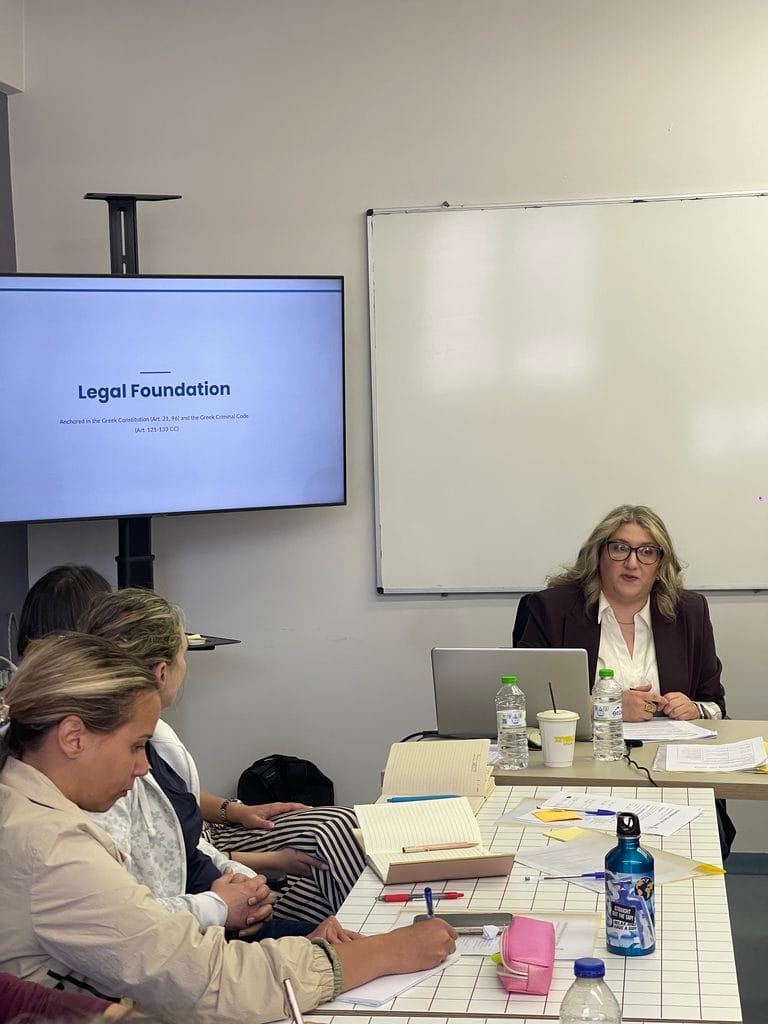
The discussions featured contributions from Mr Thomas Chachamis, Director of the Kassaveteia Special Agricultural Detention Facility for Young Offenders; Ms Olga Kouratou, Director of the Amfissa Correctional Facility; and Mr Apostolos Pappas, Director of the Second Chance School operating within the Malandrino Correctional Facility. Lawyer and legal researcher Vasiliki Karzi also contributed to the analysis of the legal framework and procedures relating to juvenile justice.
Particular emphasis was placed on the role of education, vocational development and community support networks in preventing reoffending and promoting meaningful social reintegration. Participants also highlighted key challenges, including social stigma, the lack of coordinated support following release, and barriers to young people’s access to educational and social services.
The visit highlighted the need to move beyond isolated interventions towards more coordinated and long-term support structures. Within these structures, youth work can play an important role by helping young people develop essential skills, strengthen their capacities and reconnect with their communities.
The findings and insights gathered during the visit will contribute to the development of the YW4offenders project publication and toolkit, helping shape approaches that respond to the real needs of young people.
YW4offenders is co-funded by the European Union through the Erasmus+ programme and brings together organisations from Serbia, Portugal and Greece, with the shared aim of strengthening youth work as a means of supporting young people in conflict with the law.